
Last updated: 2026-07-04
- Wear closed shoes, clothes that can take dust, and sunglasses; we provide helmets and goggles.
- Summer: light clothing plus high-SPF sunscreen. Spring and autumn: add a windproof layer.
- Skip flip-flops, white outfits and loose scarves.
- Bring a strap or mount for cameras, and zip your phone into a pocket.
Last updated:
Closed shoes, clothes you do not mind getting dusty, a layer for the wind and a strap on anything you want to film with — that is the entire packing list, and everything else in this post is refinement. We hand you a helmet and goggles at the meeting point, the buggies have roll cages rather than doors, and the trails across the Srđ plateau are dry gravel for most of the season. Dress like you are going on a good hike that happens to involve a steering wheel, and you will be exactly right.
After a few hundred departures, though, we know precisely which wardrobe choices people regret at the second viewpoint. Here is the full picture, season by season.
What should you wear on a buggy tour?
The working uniform, tested by thousands of guests: closed shoes with a proper sole, shorts or trousers in a colour that can absorb some dust, a T-shirt, and a light windproof layer tied around your waist or stowed until the ride back. Sunglasses for the walk around the viewpoints, sunscreen on every exposed bit of skin, and a hair tie if your hair is long enough to escape a helmet.
What you leave behind matters as much: no loose scarves or dangling camera straps (anything that can flap will flap), no white linen you were planning to wear to dinner, and nothing in an open pocket. The buggies shake, the trails vibrate, and an unzipped pocket is how phones begin their solo hiking careers.
Why does dust change what you wear?
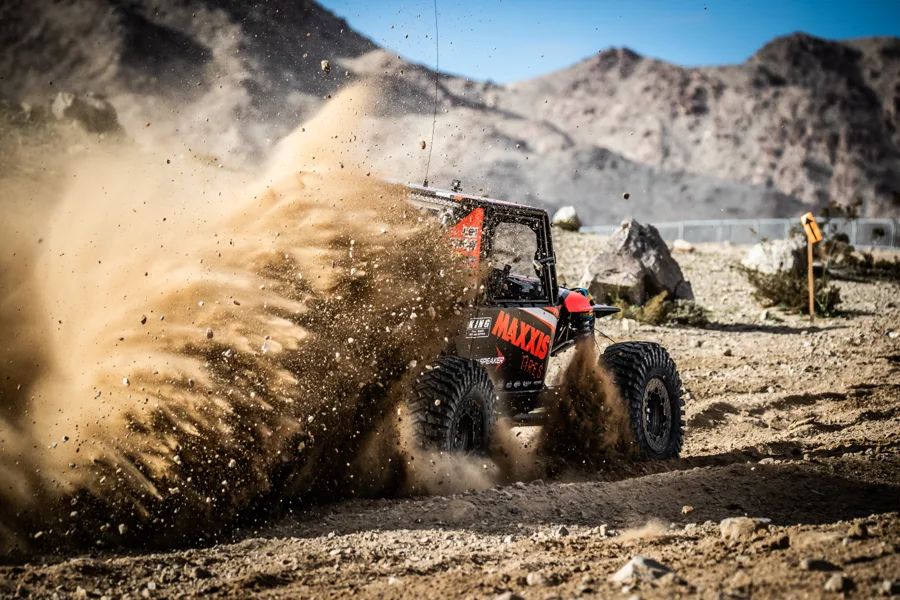
Because the trails are crushed pale limestone, and from June to September they are bone dry — the convoy raises a fine white dust that settles on everything behind the lead machine. It brushes off skin and washes out of clothes without drama, but it shows spectacularly on dark sweaty fabric and on anything white, which is why mid-tones — greys, khakis, blues — are the veteran’s choice.
Two refinements for the dust-averse: a buff or bandana pulled over your nose costs nothing and helps on the driest weeks of August, and contact-lens wearers should know that our goggles seal well enough that lenses are rarely a problem — but bringing your glasses case as a backup costs you nothing. If rain has passed through recently the dust vanishes entirely and the trails run quiet and grippy; check the week’s picture at meteo.hr if you are curious what you will get.
Which shoes work — and which do not?
Trainers, running shoes or light hiking shoes are perfect; flip-flops and sliders are the one item that can actually keep you out of the driver’s seat. Drivers need closed shoes, full stop — pedals and loose footwear are a genuinely bad combination — and we hold passengers to nearly the same standard because the viewpoint stops involve walking on sharp karst gravel. Strappy walking sandals sit in the grey zone: fine for a passenger, not for a driver.
There is no need for anything technical. The walking totals a few minutes across the whole ride; nobody needs boots. The only footwear rule that matters is that your shoe stays on your foot without your toes gripping it.
What should you wear month by month?
The season runs March to November and splits into three wardrobes:
| Months | Typical conditions | What works |
|---|---|---|
| March–May | 12–24 °C, green trails, occasional showers | Trousers, T-shirt, windproof layer |
| June–August | 28–34 °C, strong sun, maximum dust | Shorts, light shirt, SPF 50, buff |
| September–November | 14–27 °C, warm sea into October, chance of a shower | Layers, light rain shell |
Two local wind notes worth knowing. The bura — the cold, dry northeasterly described well on Wikipedia’s Bora page — can drop the felt temperature on the exposed ridge by a jacket’s worth even on a sunny day, and it also produces the clearest air of the year: bura days are photograph days. And on the evening departures, whatever the month, bring one more layer than the afternoon suggests — the plateau cools fast once the sun is behind the Elaphiti, and the last stretch back to the cable-car station is the breeziest part of the evening. General climate tables for the whole coast are on the national tourist portal croatia.hr if you are planning months ahead.
Can you bring a camera or GoPro?
Yes, and you should — the route was practically designed for it — but secure it or lose it. Action cameras work best on a chest harness or a well-tightened head strap over the helmet; handheld filming while driving is not allowed, for reasons that need no explanation. Phones ride safest zipped into a pocket between stops.
The good news is that you do not need to film while moving to get the shots. Every tour builds in photo stops at the viewpoints — the best of them on the classic route above the Old Town — and the stopped shots are the ones people actually print: the whole walled city below, Lokrum offshore, your dust-streaked buggy in the foreground. Guides know the angles and will happily take the couple photos so both of you are in the frame.
What should kids wear?
Exactly what the adults wear, one size down — closed shoes, dust-tolerant clothes, a layer — plus one extra rule: dress them slightly warmer than yourself. Children ride as passengers (ages five and up, with an adult driving), and a passenger seat is breezier work than the wheel; the driver has concentration keeping them warm, the passenger just has the wind. A light long-sleeved layer solves it in every month except deep summer.
Helmets are our job, not yours — we stock small sizes and fit each child individually at the meeting point before departure. What helps from your side: shoes that stay on without laces trailing, sunglasses they will actually keep on, and sunscreen applied before the excitement starts, because nobody aged seven stands still for it afterwards. A spare T-shirt in the car for after the ride has saved more than one dinner reservation.
What do we provide, and what should you bring?
We provide the protective layer: a helmet fitted to each rider at the meeting point by the cable-car top station, goggles for every seat, and the safety briefing before anyone touches a throttle. You do not need to bring, rent or buy any equipment — that is all inside the tour price.
Your side of the checklist is short: the driver’s licence (physical card — drivers cannot ride the driver’s seat without it), sunscreen applied before you arrive, sunglasses, a small bottle of water in summer, and a pocket that zips. Leave big daypacks at your accommodation; the buggies are trail machines, not luggage vans, and everything you bring should fit on your body.
That is the whole science: closed shoes, dust-friendly colours, one layer for the wind, camera on a strap. Get those four right and the plateau does the rest. If your wardrobe is ready before your dates are, fix that at the booking page — or aim straight for the three-hour private tour if you want the full three hours of dust on your boots.